Meet the Meteorologist
What's your favorite weather phenomena?
What got you interested in the weather?
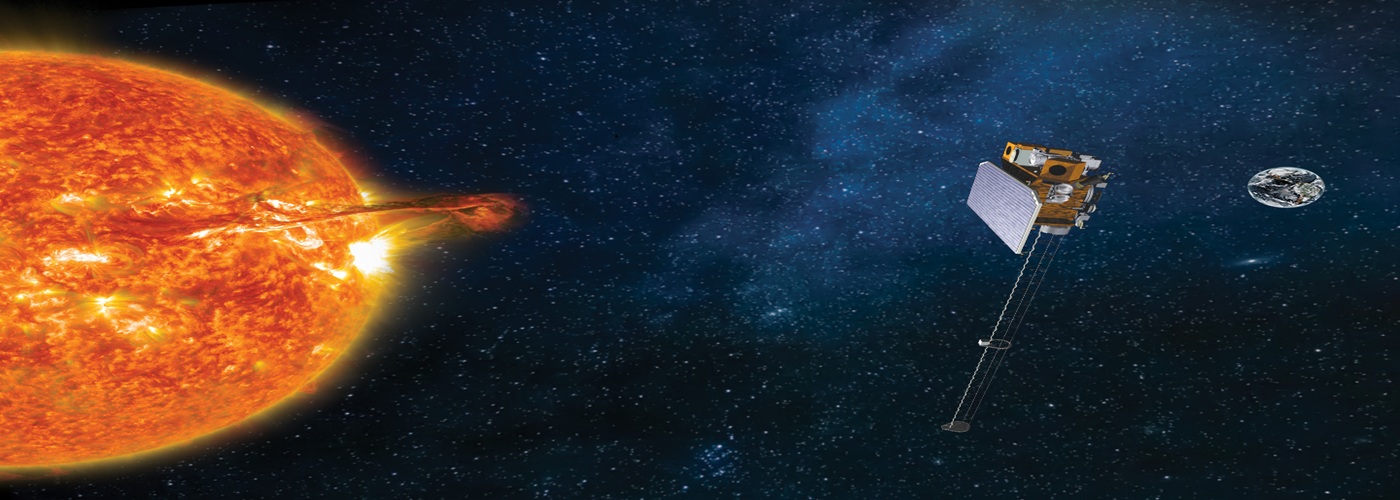

An almost million mile trek and testing period are now successfully complete as a satellite named Space weather Observations at L1 to Advance Readiness-1 (SOLAR-1) has made it to operational service.
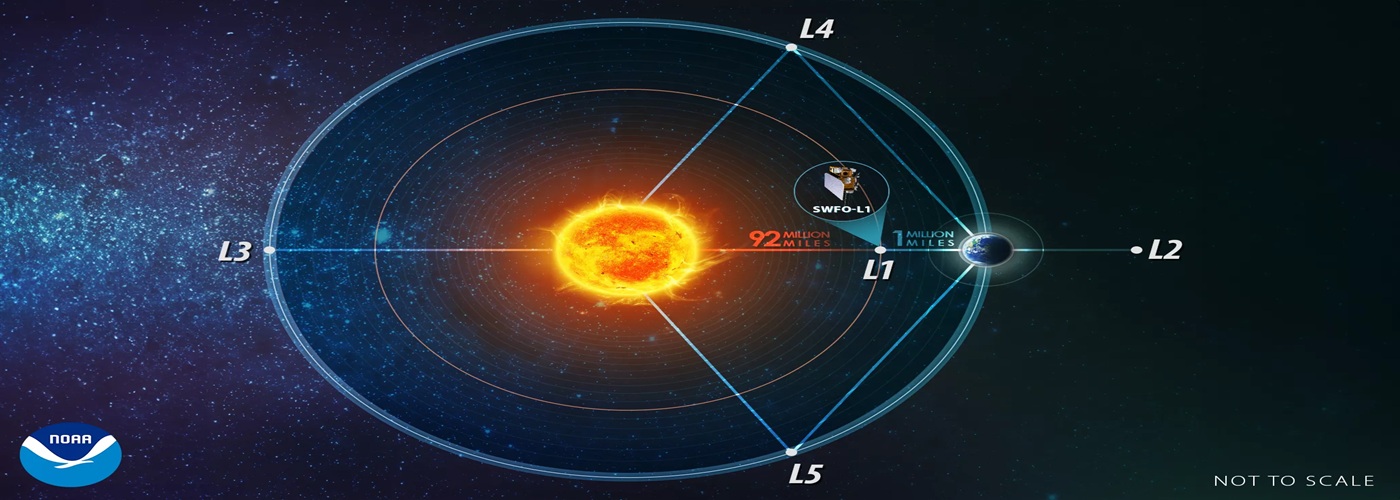
SOLAR-1 was launched in September 2025 on a rocket. It then took about 4 months to make the nearly million mile journey to Sun-Earth Lagrange point 1 (L1) where it will stay and transport data back to Earth.
This satellite marks the first of its kind from the United States that is designed for continuous space weather operations. The data from the satellite will show more on what’s happening with the sun which in turn helps scientists prepare for solar storms. That means more quickly issued warnings and watches too.
Space weather can impact many facets of technology and missions. NOAA says this better data will allow scientists to have a longer lead time when solar storms may impact the electric grid, satellites, communications, aviation, GPS, national security operations and human spaceflight. Data will not only be continuously transferred from SOLAR-1, but it will be much quicker than previous equipment. Older equipment could take near eight hours to transport information while SOLAR-1 gets that data to Earth within 30 minutes from capturing it in space.
The data will be available not only for scientists at the NOAA’s Space Weather Prediction Center, but will be available for the public to view too at the Space Weather Prediction website.
 Paul Trambley
 Derek Heit
 Jennifer Wojcicki
 Laura Lockwood
 Ray Miller